
Comparing Second Mortgages and Home Equity Loans: What You Need to Know
SC
Understanding Second Mortgages
A second mortgage is a loan taken out on a property that already has a primary mortgage. It allows homeowners to access the equity they have built up over time. This type of loan can be a viable option for those who need a significant amount of cash for various purposes, such as home improvements or debt consolidation.
Second mortgages typically come with a fixed interest rate, which means your monthly payments remain consistent over the loan term. However, it's important to note that defaulting on a second mortgage can lead to foreclosure, as the home is used as collateral.

Exploring Home Equity Loans
Home equity loans, often referred to as “second mortgages,” are a type of loan that lets homeowners borrow against the equity of their home. Unlike lines of credit, these loans are disbursed in a lump sum and usually come with fixed interest rates.
They are often used for major expenses such as medical bills, home renovations, or educational costs. Because they are secured by your home, they often have lower interest rates compared to unsecured loans.
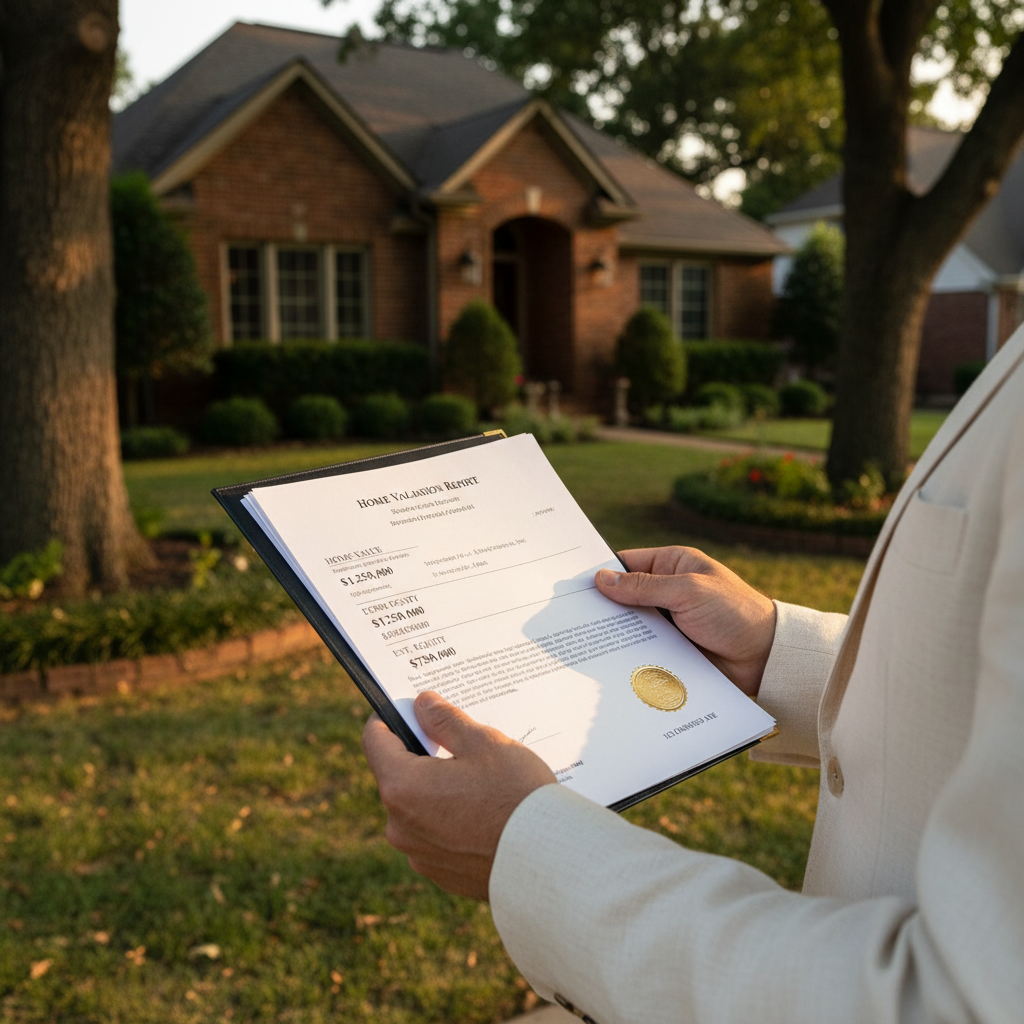
Key Differences Between Second Mortgages and Home Equity Loans
While both second mortgages and home equity loans allow you to borrow against your home’s value, they have distinct differences. Here are some key points to consider:
- Loan Structure: Second mortgages can be structured as either lump-sum loans or lines of credit, while home equity loans are always lump-sum.
- Interest Rates: Both typically offer fixed rates, but second mortgages may have variable options depending on the lender.
- Purpose: Second mortgages are often used for large expenditures or investments, whereas home equity loans are primarily for renovation or paying off debts.

Pros and Cons
Second Mortgages
Pros:
- Access to large sums of money.
- Potential for tax-deductible interest.
Cons:
- Risk of foreclosure if unable to make payments.
- Often higher fees and closing costs.
Home Equity Loans
Pros:
- Lower interest rates compared to unsecured loans.
- Fixed monthly payments provide predictability.
Cons:
- Home is at risk if you default.
- May require good credit to qualify.
Choosing the Right Option
Deciding between a second mortgage and a home equity loan depends on your financial situation and needs. Consider your long-term goals, the amount you need to borrow, and your ability to repay the loan. Consulting with a financial advisor can also provide personalized guidance.
Ultimately, both options can be effective tools for leveraging your home's value, but they come with risks that must be carefully managed.